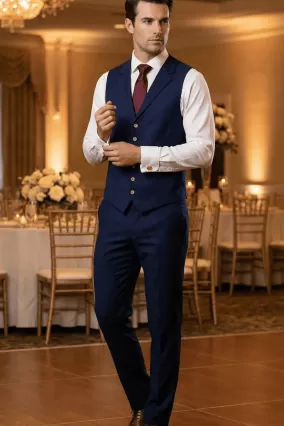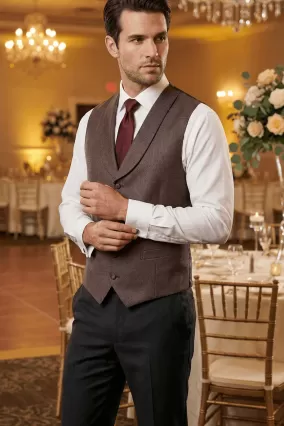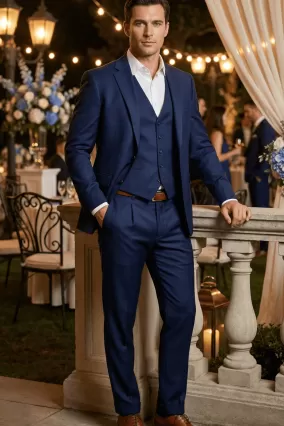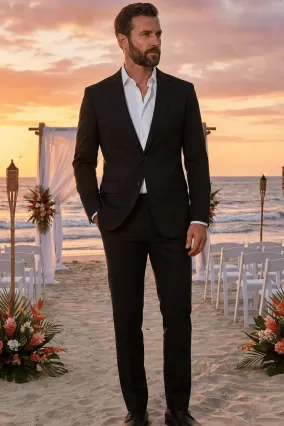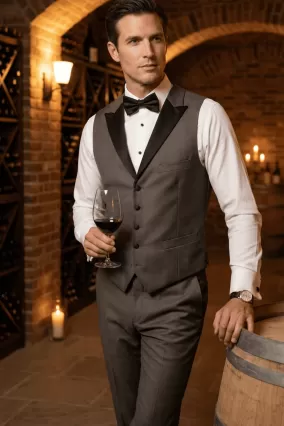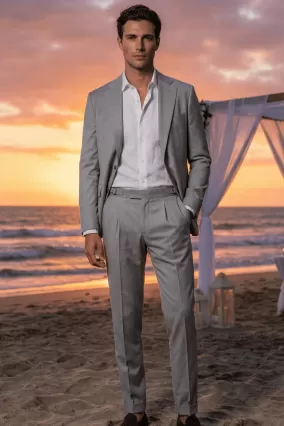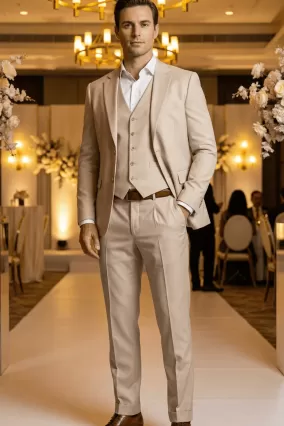
Semi formal attire sits in that perfectly balanced middle ground between relaxed business casual and the rigid formality of black tie events. For Australian men navigating weddings, cocktail parties, corporate functions, and special occasions, understanding how to master this dress code is essential. Yet semi formal remains one of the most misunderstood categories in menswear, with many unsure whether they need a full suit, if they can skip the tie, or how formal is formal enough. This comprehensive guide will decode semi formal attire for the Australian context, providing you with expert recommendations tailored to your body type, the season, and the specific occasion. Whether you are a groom selecting your wedding suit, a groomsman coordinating with your mates, or a guest wanting to look polished without overdoing it, you will find actionable guidance to help you dress with confidence and style. By the end of this article, you will understand the core principles of semi formal dressing, know exactly which suit styles flatter your physique, and be equipped to navigate any semi formal occasion with sophistication.
1. Understanding semi formal attire
The term semi formal often causes confusion because it exists in a flexible space between casual and formal wear. Understanding its definition and when to wear it is the first step to mastering this versatile dress code.
1.1 What is semi formal
Semi formal attire for men typically consists of a tailored suit or a structured blazer paired with dress trousers, a collared dress shirt, and polished leather shoes. Unlike formal attire, which demands a tuxedo, bow tie, and patent leather shoes, semi formal allows for personal expression through fabric choices, colors, and accessories. It is more refined than business casual, which might permit chinos, polo shirts, or even clean sneakers in some contexts.
The key to semi formal is achieving a polished, sophisticated appearance without the austerity of full formal wear. You should look put together, intentional, and respectful of the occasion, while still having room to express your personal style through subtle details like a patterned pocket square, textured fabric, or modern color choice.
In the spectrum of dress codes, semi formal sits comfortably between smart casual on one end and black tie on the other. It requires more structure and formality than a casual blazer with jeans, but it does not demand the strict uniformity of a tuxedo and bow tie.
1.2 The modern interpretation of semi formal
Traditional semi formal attire was quite rigid, with dark suits, white shirts, and conservative ties being the only acceptable options. However, contemporary fashion has evolved to embrace a more inclusive and flexible approach.
Modern semi formal attire prioritizes three core elements:
- Tailored fit that flatters your body
- High quality fabrics that drape well and feel comfortable
- Subtle sophistication achieved through thoughtful details rather than loud statements
Today's semi formal flexibility includes:
- Suit separates: mixing a patterned blazer with solid trousers
- Three piece suits for added depth and interest
- Broader color palette: navy, charcoal, grey, beige, burgundy, and even olive
- Optional ties for daytime or outdoor events (with polished structure maintained)
In Australia, where the climate is often warm and outdoor events are common, semi formal has taken on an even more relaxed interpretation. Lightweight fabrics like linen, cotton, and tropical wool are not only accepted but encouraged for comfort and practicality. The emphasis is on looking refined without appearing stiff or uncomfortable, making semi formal the ideal dress code for the Australian lifestyle.
2. The foundation: essential elements
To build a successful semi formal wardrobe, you need to understand the core components that create a refined and polished appearance. These essential elements form the building blocks of any semi formal outfit.
2.1 The semi formal suit
The suit is the cornerstone of semi formal attire. Unlike black tie events that require a tuxedo, semi formal occasions give you creative freedom in fit, fabric, and color, while still maintaining a level of sophistication and professionalism.
2.1.1 Fit essentials
Fit is the single most important factor in how your suit looks. A well fitted suit should:
- Contour your body without being tight
- Have jacket shoulders sitting naturally at your shoulder line
- Allow chest movement comfortably
- Feature waist slightly suppressed to create a flattering silhouette
Slim and modern cuts are popular in contemporary menswear, but avoid anything so tight that it restricts movement or creates pulling across the chest and back. For Australian men, particularly those with athletic builds, consider made to measure options from brands like InStitchu or Oscar Hunt, which allow you to customize the fit to your exact measurements.
2.1.2 Fabric selection
Fabric choice significantly impacts both the look and comfort of your suit:
- Australian Merino wool: Excellent year round option, natural temperature regulation, breathability, luxurious drape (M.J. Bale, Peter Jackson)
- Tropical wool: Open weave promotes airflow while maintaining formality, ideal for warmer months
- Linen: Perfect for summer weddings and outdoor events, exceptional breathability (wrinkles easily but adds relaxed charm)
- Cotton: Structure while remaining lighter than traditional wool
2.1.3 Color versatility
Choose colors based on occasion and season:
- Navy: Universally flattering, works for almost any occasion
- Charcoal and medium grey: Versatile, sophisticated, modern
- Light grey and beige: Excellent for daytime and summer events, particularly outdoor weddings
- Burgundy, deep green, olive: Modern alternatives to traditional neutrals for standing out subtly
2.1.4 Suit configurations
- Two piece suit: Traditional, streamlined
- Three piece suit: Adds formality and visual interest with waistcoat
- Mix and match separates: Navy blazer with charcoal trousers (coordinate tone and texture)
2.2 Shirts for semi formal occasions
The shirt you wear under your suit jacket is equally important in creating a polished semi formal look. A crisp, well fitted dress shirt in a premium fabric elevates your entire outfit.
2.2.1 Color and pattern options
Classic foundation colors:
- White dress shirt: Universally appropriate, pairs seamlessly with any suit
- Light blue: Timeless and versatile for any occasion
Modern creative options:
- Soft pastels: Pale pink, lavender, mint green, light yellow
- Subtle patterns: Fine stripes, micro checks, discreet dots
2.2.2 Collar styles
- Standard point collar: Most versatile, works with or without a tie
- Button down collar: Slightly more casual feel, ideal for daytime events or tie free looks
- Band collars and mandarin collars: Contemporary options for creative or modern settings (less traditional events)
2.2.3 Fabric and fit
- Fabric: High quality cotton or cotton blend, smooth feel, wrinkle resistant
- Fit: Comfortable movement across shoulders and chest, slight taper at waist
- Avoid: Flannel or jersey fabrics that undercut formality
2.3 Footwear essentials
Your choice of footwear can make or break a semi formal outfit. Polished, high quality leather shoes are non negotiable, as they signal attention to detail and respect for the dress code.
2.3.1 Shoe types and when to wear them
2.3.2 Color coordination guide
- Black shoes: Most formal, pair with charcoal, navy, and black suits
- Dark brown and brown shoes: Warmth and versatility, work with navy, grey, beige, earth toned suits
- Tan and lighter brown: Perfect for daytime events and summer weddings with lighter suit colors
Cardinal rule: Match your belt to your shoes in both color and finish for a cohesive, intentional look.
2.3.3 Important footwear notes
Minimalist leather sneakers have found acceptance in some modern creative contexts, but should be avoided for:
- Traditional weddings
- Corporate events
- Formal evening occasions
When in doubt, always opt for classic leather dress shoes.
2.4 Accessories that elevate
Accessories are where you can inject personality and polish into your semi formal outfit. The key is to choose pieces that enhance rather than overwhelm.
Ties are optional in semi formal attire, but wearing one often adds a layer of refinement. Choose ties in silk or quality knit fabrics, with solid colors, classic patterns like stripes or dots, or subtle textures. The tie should complement your shirt and suit without clashing or competing for attention. For daytime or outdoor events, you can confidently skip the tie, provided the rest of your outfit is structured and polished.
A pocket square is one of the easiest ways to elevate a blazer. It can be folded clean and precise for a formal look, or casually puffed for a more relaxed vibe. Choose colors and patterns that complement your tie and shirt, but avoid exact matching, which can look overly coordinated.
Your belt should always match your shoes in both color and material. Opt for quality leather with a simple, elegant buckle. Avoid statement buckles or overly casual webbing belts, which detract from the overall sophistication.
A wristwatch is the finishing touch that signals refinement and professionalism. A leather strap dress watch in brown or black is the most versatile choice for semi formal occasions, while a sleek metal bracelet watch can work for evening events. Avoid bulky sports watches or overly casual digital designs.
Minimal jewelry is best. A wedding ring or a classic signet ring is acceptable, but avoid wearing multiple bracelets, chunky chains, or anything that draws excessive attention.
3. Dressing for your body type
One of the most overlooked aspects of semi formal dressing is selecting garments that complement your natural physique. Understanding your body type and tailoring your suit accordingly is the difference between looking good and looking exceptional.
3.1 Understanding male body types
The male physique generally falls into five primary categories: trapezoid, rectangle, inverted triangle, triangle, and oval. Each body type has distinct characteristics that influence how clothing fits and flatters. Recognizing your body shape allows you to make informed choices about jacket structure, trouser cut, fabric patterns, and overall styling.
While off the rack suits are designed for an average body type, the reality is that very few men fit this standard perfectly. This is why made to measure and bespoke tailoring have become increasingly popular in Australia. Brands like InStitchu, Oscar Hunt, and M.J. Bale offer customization options that ensure every element of your suit is tailored to your unique proportions, resulting in a garment that fits perfectly and flatters your physique.
3.2 Trapezoid body type
The trapezoid body type is characterized by broad shoulders and a well developed chest that tapers to a narrow waist, creating naturally balanced and athletic proportions. This is often considered the ideal masculine silhouette, as it already possesses the V shape that many tailoring techniques attempt to create.
For men with a trapezoid build, the goal is to highlight these natural proportions without overwhelming them. Single breasted suits with medium width lapels work beautifully, as they follow your natural lines without adding unnecessary bulk. Slim fit jackets with minimal shoulder padding showcase your upper body without exaggeration. Straight leg trousers maintain the balanced silhouette from top to bottom.
This body type can experiment with patterns more freely than others. Subtle pinstripes, micro checks, and textured fabrics add visual interest without disrupting the natural balance. However, avoid horizontal stripes that could widen the appearance of the torso.
For weddings, trapezoid builds are ideal for both groom and groomsmen roles. A groom with this physique can choose a three piece suit in navy or charcoal Australian Merino wool, with a crisp white shirt and silk tie, creating a commanding yet refined presence. Groomsmen can coordinate with two piece suits in the same fabric and color family, ensuring cohesion without exact uniformity. As a wedding guest, a trapezoid build looks excellent in a lighter grey or beige suit for daytime events, or a classic navy suit for evening receptions.
3.3 Rectangle body type
The rectangle body type features balanced shoulders and waist with minimal natural taper, creating a straight up and down silhouette. The objective for this body shape is to create visual dimension and the appearance of a V shaped torso through strategic tailoring.
Structured jackets with subtle shoulder padding help broaden the upper body, creating the illusion of width at the shoulders. Peak lapels are particularly effective, as they draw the eye upward and outward, enhancing the shoulder line. Waist suppression in the jacket is crucial, as it creates definition and shape where there is naturally less contrast. Textured fabrics like tweed, herringbone, and birdseye weaves add depth and dimension to the overall look.
Patterns can also be your friend. Vertical stripes elongate the body and create the impression of height, while horizontal elements across the chest can add visual width. Avoid overly boxy or loose fitting jackets, which will only emphasize the lack of natural taper.
For wedding attire, rectangle builds benefit from three piece suits, as the waistcoat adds structure and breaks up the straight line from shoulders to hips. A groom might choose a charcoal three piece suit with a peak lapel jacket and a patterned waistcoat for subtle interest. Groomsmen can wear coordinating two piece suits with similar structured tailoring. As a guest, opt for suits with defined shoulders and a fitted waist, in colors like navy or medium grey.
3.4 Inverted triangle body type
Men with an inverted triangle body shape have broad, muscular shoulders and a wide chest that tapers down to a slim waist and hips. This athletic build is common among men who engage in regular upper body training or sports.
The challenge for this body type is to avoid emphasizing the already broad shoulders, while balancing the proportions by adding visual weight to the lower half. Unstructured or lightly structured jackets with minimal shoulder padding are ideal, as they soften the broad upper body. Slim lapels work better than wide ones, as they create vertical lines that draw the eye downward rather than outward. The jacket should be tailored with a slight taper at the waist, but not overly tight, to avoid making the upper body appear even larger by comparison.
Trousers should be straight leg or slightly tapered, avoiding skinny fits which can exaggerate the difference between your upper and lower body. Flat front trousers in medium to darker tones help ground the silhouette.
For inverted triangle builds, athletic fit suits are a game changer. These are specifically designed with extra room in the chest and shoulders while maintaining a trim waist. While not all brands offer athletic cuts off the rack, made to measure services like InStitchu excel at accommodating this body type.
For wedding attire, an inverted triangle groom should choose a single breasted suit in a dark color like navy or charcoal, with a standard lapel and unstructured shoulders. A simple white or light blue shirt and a conservative tie keep the focus balanced. Groomsmen can wear similar cuts, ensuring comfort and cohesion. As a wedding guest, choose suits that fit comfortably across the chest without pulling, and avoid double breasted styles which can add unwanted bulk.
3.5 Triangle body type
The triangle body type is characterized by narrow shoulders and a wider waist and hips, creating the opposite challenge of the inverted triangle. The goal is to broaden the shoulder line and streamline the lower body to achieve better balance.
Structured jackets with shoulder padding are essential, as they create width and presence in the upper body. Peak lapels are highly recommended because they draw the eye upward and outward, visually expanding the shoulder line. Double breasted jackets can also add bulk to the chest and torso, helping to balance the proportions.
Vertical patterns like pinstripes are excellent for this body type, as they create a lengthening effect and draw attention upward. Avoid horizontal stripes or bold checks, which can emphasize width at the midsection.
Trousers should be dark and streamlined, in flat front styles with a straight or slightly tapered leg. Darker colors on the bottom half create a slimming effect, while lighter or textured jackets can add dimension to the upper body.
For weddings, triangle builds benefit greatly from custom or made to measure tailoring, as off the rack suits often do not provide the shoulder structure needed. A groom with this body type should invest in a well tailored three piece suit with structured shoulders and a patterned or textured jacket to add visual interest to the upper body. Groomsmen can coordinate with similar structured blazers. As a guest, prioritize fit above all else, ensuring the jacket has adequate shoulder structure and the trousers are streamlined and dark.
3.6 Oval body type
The oval body type features a fuller midsection with a rounded torso, where the waist is wider than the shoulders and hips. The objective is to create a streamlined, elongated silhouette that draws attention away from the midsection and adds structure where needed.
Single breasted jackets are the best choice, as they avoid adding bulk through the middle. The jacket should feature subtle waist suppression and structured shoulders to create an upward visual line. A two button stance elongates the torso more effectively than three buttons. The jacket length is crucial and should be long enough to cover the seat, ending around the thumb knuckle when your arms hang relaxed. This creates a lengthening effect and provides better proportional balance.
Trousers should be flat front with a straight leg, avoiding pleats which can add volume to the midsection. The waistband should sit at the natural waist, not below, to maintain proper proportions.
Monochromatic or dark color schemes are highly effective for oval body types. Navy, charcoal, and black suits in solid colors or subtle textures like herringbone and pinstripes create a slimming, cohesive look. Avoid bold checks, wide stripes, and high contrast patterns which can draw attention to width.
For wedding attire, oval builds should choose longer jackets in dark, solid colors. A groom might select a navy or charcoal suit with a single breasted jacket, a white shirt, and a dark tie, creating a sleek vertical line. Groomsmen can wear coordinating suits with similar elongating cuts. As a wedding guest, prioritize dark colors, longer jackets, and streamlined trousers. Made to measure services are particularly valuable for this body type, ensuring proper waist suppression and shoulder structure.
4. Semi formal attire for Australian weddings
Weddings are one of the most common occasions requiring semi formal attire in Australia. The diverse range of wedding venues, from beachside ceremonies to vineyard receptions, means your outfit must be adaptable to both the setting and your role in the celebration.
4.1 Wedding guest attire
As a wedding guest, your primary goal is to look polished and respectful without outshining the wedding party. The dress code specified on the invitation is your starting point, but when it states semi formal, you have a clear framework to work within.
Choose a suit in classic colors like navy, charcoal, or medium grey, which are appropriate for any wedding setting. For daytime or summer weddings, lighter shades like light grey, beige, or even soft blue work beautifully. Avoid wearing black unless the wedding is an evening affair, as it can appear too formal or somber for daytime celebrations. Never wear white, cream, or anything close to the color of a traditional wedding gown, as this is reserved for the bride.
The fabric should suit the season and venue. For warm weather or outdoor weddings, choose breathable fabrics like lightweight wool, linen, or cotton. In cooler months, traditional wool or tweed provides warmth and sophistication. Australian Merino wool from brands like M.J. Bale or Peter Jackson is an excellent year round choice, offering comfort and elegance.
Accessories should be refined and understated. A silk tie in a complementary color or subtle pattern adds polish, while a pocket square introduces a touch of personality. Polished leather shoes, whether Oxfords or loafers, complete the look. Ensure your belt matches your shoes, and opt for a quality leather strap watch for a finishing touch.
4.2 Groomsmen styling
As a groomsman, your role is to support the groom while looking cohesive with the rest of the wedding party. Coordination is key, but exact uniformity is not always necessary or desired.
The groom typically sets the vision for groomsmen attire, often selecting a specific suit color, fabric, and style. InStitchu and Oscar Hunt are popular choices for Australian wedding parties, as they offer made to measure services with tiered pricing for groups, ensuring everyone has a perfectly fitted suit. Matching suits create a clean, unified look, while mix and match approaches, such as coordinating blazers with different trouser colors, can add visual interest while maintaining cohesion.
Australian Merino wool is ideal for groomsmen suits, particularly for weddings held in variable weather conditions. The natural temperature regulation keeps you comfortable throughout the day, whether you are standing in the sun during the ceremony or inside for the reception. Lightweight tropical wool or linen blends are excellent for summer weddings, ensuring breathability and comfort.
Since groomsmen often have different body types, made to measure tailoring ensures that everyone looks their best regardless of physique. This is particularly important for achieving a polished, professional appearance in wedding photos.
Accessories are typically coordinated across the groomsmen party. Ties, pocket squares, and boutonnieres are often chosen to match the wedding color palette, creating visual harmony with the bridesmaids and overall theme.
4.3 Groom's semi formal look
The groom's attire should be elevated above the groomsmen while remaining within the semi formal framework. Subtle distinctions in fabric, color, or styling help the groom stand out without appearing mismatched.
A three piece suit is an excellent choice for grooms, as the waistcoat adds an extra layer of sophistication and formality. Navy, charcoal, and deep grey are timeless choices that photograph beautifully and suit almost any wedding theme. For a more distinctive look, consider rich colors like burgundy, deep green, or oxford blue, which add personality while maintaining elegance.
Premium fabric selection sets the groom apart. Consider upgrading to a higher grade Australian Merino wool, a superfine wool blend, or even a subtle texture like herringbone or birdseye. M.J. Bale offers premium Made in Japan custom suits for grooms seeking the highest quality, while Oscar Hunt provides a personalized boutique experience with fabrics sourced from renowned international mills.
Bespoke or made to measure tailoring is highly recommended for grooms. A perfectly fitted suit not only looks exceptional but also ensures comfort throughout a long and eventful day. With a typical lead time of twelve weeks for custom wedding suits, it is important to plan well in advance.
Small details like a unique boutonniere, a distinctive tie or bow tie, a special pocket square, or even personalized cufflinks can further distinguish the groom from the groomsmen.
4.4 Venue specific styling
The wedding venue significantly influences your fabric and styling choices. Australian weddings are often held in diverse outdoor settings, each with its own sartorial considerations.
5. Seasonal styling for semi formal
Australia's climate varies significantly across regions and seasons, making it essential to adapt your semi formal attire to the weather while maintaining a polished appearance.
Seasonal styling quick reference:
5.1 Summer semi formal
Summer in Australia can be hot and humid, particularly in the northern states. Comfort is paramount, but you should never sacrifice style for the sake of staying cool.
Lightweight fabrics are essential. Linen is the quintessential summer fabric, known for its open weave and exceptional breathability. Cotton suits provide structure while remaining lighter than wool. Tropical wool, with its airy weave, offers the best balance of formality and comfort. Seersucker is a classic warm weather option, though it leans more casual and is best reserved for daytime events.
Light color palettes work best in summer. Beige, sand, light grey, pale blue, and ivory reflect heat and create a fresh, seasonal look. Darker colors absorb heat and can appear too heavy for bright, sunny days.
Consider going sockless with loafers or low cut dress socks that remain invisible. This is accepted in Australian semi formal contexts, particularly for outdoor and daytime events. However, always wear socks with lace up dress shoes like Oxfords or Derbys.
Minimize layers. A two piece suit without a waistcoat is ideal. You may even opt for a blazer and trousers separately rather than a matching suit, provided the pieces coordinate well. Skip the tie for daytime events, opting instead for a well fitted shirt with an open collar and a pocket square for polish.
5.2 Autumn semi formal
Autumn offers the most versatile weather for semi formal dressing in Australia, with mild temperatures and lower humidity creating ideal conditions for traditional suiting.
Transitional fabrics like lightweight wool and cotton blends work beautifully. These materials provide warmth without being too heavy, adapting to fluctuating temperatures throughout the day.
Earth tones dominate the autumn palette. Rich browns, burgundy, deep orange, olive, and forest green complement the season and create a warm, sophisticated look. Navy and charcoal remain timeless choices that transition seamlessly from summer to autumn.
Textured materials like tweed, flannel, and herringbone add visual depth and seasonal appropriateness. These fabrics photograph beautifully and add a tactile element to your outfit.
Layering becomes an option in autumn. A three piece suit with a waistcoat provides extra warmth without the bulk of an overcoat. You can also incorporate subtle layers like a v neck sweater vest under your blazer for added insulation.
Footwear shifts toward richer tones and more substantial materials. Brown leather Oxfords, tan brogues, and burgundy Derbys all work well. Suede shoes and loafers are particularly fitting for autumn, adding texture and warmth.
5.3 Winter semi formal
Winter in southern Australia can be quite cold, requiring heavier fabrics and thoughtful layering while maintaining a semi formal aesthetic.
Heavier fabrics are essential. Traditional wool, flannel, cashmere blends, and thick tweed provide insulation and structure. These materials not only keep you warm but also drape beautifully, creating a polished silhouette.
Dark, rich colors dominate winter semi formal attire. Charcoal, navy, deep green, black, and midnight blue create a sophisticated, season appropriate palette. These colors pair beautifully with winter accessories and complement indoor lighting at evening events.
Three piece suits are ideal for winter, as the waistcoat adds a layer of warmth without requiring an overcoat indoors. When outdoors, a tailored wool overcoat in charcoal, navy, or camel elevates your look while providing necessary protection from the cold.
Accessories become more substantial in winter. A wool or cashmere scarf in a complementary color adds both warmth and style. Leather gloves are practical and elegant, particularly for outdoor events. Opt for heavier leather dress shoes or ankle boots in black or dark brown, ensuring they are polished and weather appropriate.
5.4 Spring semi formal
Spring brings renewal and lighter, brighter aesthetics to semi formal dressing. The weather is unpredictable, ranging from warm to cool, so versatility is key.
Cotton and light wool suiting are perfect for spring. These fabrics offer breathability while providing enough structure and warmth for variable temperatures.
Pastel and bright accents define the spring color palette. Pale pink, lavender, mint green, soft yellow, and light blue bring freshness and optimism to your outfit. Navy, light grey, and beige serve as neutral foundations that allow these accent colors to shine.
Spring is the ideal time to incorporate floral or nature inspired pocket squares, adding a playful yet refined touch. A silk pocket square with botanical motifs complements the season beautifully.
Footwear transitions to lighter tones. Tan leather shoes, light brown loafers, and even clean white leather sneakers in very casual semi formal contexts can work. However, classic leather dress shoes remain the safest and most appropriate choice for traditional events.
Layering should remain minimal, as spring weather can be warm during the day. A well fitted blazer over a dress shirt is often sufficient, with the option to add a lightweight knit vest if needed.
6. Semi formal for different occasions
While weddings are the most common semi formal events, there are numerous other occasions where this dress code is appropriate. Understanding the nuances of each setting ensures you are always appropriately dressed.
6.1 Cocktail parties
Cocktail parties offer more room for personal expression within the semi formal framework. These events are typically less formal than weddings, allowing for bolder choices and creative styling.
You can experiment with statement accessories like a vibrant pocket square, patterned tie, or even colorful socks. These small touches add personality without being inappropriate. Consider pairing a solid colored blazer with patterned trousers, or vice versa, for visual interest while maintaining sophistication.
Suede loafers or dressy boots are excellent footwear choices for cocktail parties, adding texture and modernity. In creative or younger social settings, minimalist leather sneakers in neutral tones might be acceptable, though traditional dress shoes are always the safer option.
Ties are optional at cocktail parties, particularly if the event is more relaxed or held outdoors. If you skip the tie, ensure your shirt is crisp and well fitted, and add a pocket square to maintain polish.
6.2 Business events and networking
Corporate functions, professional dinners, and networking events call for a more conservative approach to semi formal attire. The goal is to project competence, professionalism, and attention to detail.
Stick to classic colors like navy, charcoal, and medium grey. These are universally respected in professional settings and convey seriousness and reliability. Avoid overly bold colors or loud patterns, which can be distracting or appear unprofessional.
Wear a tie unless the event is explicitly described as business casual. A silk tie in a solid color or subtle pattern demonstrates respect for the formality of the occasion. Your pocket square, if worn, should be conservative and complement your tie without matching exactly.
Accessories should be minimal and high quality. A leather belt matching your shoes, a refined leather strap watch, and perhaps a simple tie clip are appropriate. Avoid flashy jewelry or overly casual accessories.
Polished leather Oxfords or Derbys in black or dark brown are the best footwear choices. Ensure they are recently polished and in excellent condition, as shoes are often noticed in professional environments.
6.3 Formal dinners
Formal dinners, whether for charity galas, award ceremonies, or upscale private events, sit at the higher end of the semi formal spectrum. While not quite black tie, they require a refined and elegant approach.
Choose darker suit colors like navy, charcoal, or black, which convey sophistication and formality. A three piece suit adds an extra layer of elegance appropriate for the setting.
A silk tie is expected, preferably in a solid color or classic pattern like stripes or small dots. Your shirt should be pristine white or a very subtle shade like pale blue.
Accessories should be elegant and understated. A white linen pocket square folded neatly, a quality leather strap dress watch, and polished black or dark brown Oxford shoes complete the look. Cufflinks, if your shirt has French cuffs, add a touch of refinement.
Grooming is particularly important for formal dinners. Ensure your hair is neatly styled, facial hair is well groomed, and your overall presentation is impeccable.
7. Common questions answered
Even with a solid understanding of semi formal attire, certain questions frequently arise. Here are clear answers to the most common queries.
7.1 Can you wear jeans for semi formal
Generally, no. Jeans are considered too casual for traditional semi formal events like weddings, corporate functions, and formal dinners. Even high quality or designer jeans lack the refinement and structure that semi formal attire requires.
However, there are rare modern contexts where dark, well fitted jeans without distressing might be acceptable. Creative industry events, casual networking gatherings, or contemporary social parties may allow dark denim when paired with a structured blazer, crisp dress shirt, and polished leather shoes. This is risky territory, though, and you should only attempt it if you are certain the environment is progressive and relaxed.
When in doubt, always choose dress trousers or tailored chinos instead. These alternatives maintain a polished appearance while offering comfort and versatility.
7.2 Is a tie required for semi formal
Ties are optional in semi formal attire, but wearing one generally adds refinement and shows respect for the occasion. The decision depends on the specific event, time of day, and overall formality.
If you choose not to wear a tie, you must compensate by ensuring the rest of your outfit is impeccably structured and polished. Wear a well fitted blazer or suit jacket, choose a high quality dress shirt, add a pocket square for visual interest, and ensure your footwear is pristine. An open collar can look sophisticated and modern when executed correctly, but avoid looking underdressed by maintaining sharp tailoring and attention to detail.
For evening events, corporate functions, and traditional weddings, wearing a tie is generally expected. For daytime outdoor events, beach weddings, and creative gatherings, you have more freedom to skip it.
7.3 Can sneakers be semi formal
This is a contentious question in modern menswear. Traditional semi formal attire does not include sneakers, and for most events, wearing them would be inappropriate.
However, minimalist leather sneakers in neutral colors like white, black, or navy have gained acceptance in certain modern, creative contexts. If you choose to wear sneakers to a semi formal event, they must be pristine, high quality, and styled with tailored trousers, a fitted blazer, and a crisp shirt. Avoid anything sporty, chunky, or scuffed.
Sneakers should never be worn to traditional weddings, black tie adjacent events, or corporate functions. They are only appropriate in progressive, casual, or creative environments where the dress code is interpreted more loosely.
When in doubt, always opt for classic leather dress shoes. They are universally accepted and ensure you never risk being underdressed.
7.4 What is the difference between semi formal and formal
The primary distinction lies in the level of rigidity and the specific garments required.
7.5 What is the difference between semi formal and business casual
8. Semi formal style tips
To ensure you always look your best in semi formal attire, follow these essential guidelines.
8.1 Do's
- Invest in a tailored fit: Whether through made to measure services like InStitchu or alterations to an off the rack suit, a perfect fit is non negotiable. Ill fitting clothing undermines even the highest quality fabrics and most stylish designs.
- Coordinate your leather accessories: Your belt should match your shoes in both color and finish. This attention to detail signals sophistication and intentionality.
- Embrace seasonal fabrics: Choose materials appropriate for the climate and time of year. Wearing heavy wool in summer or linen in winter not only compromises comfort but also appears out of touch.
- Add personality through subtle details: A textured pocket square, a unique tie, or quality cufflinks allow you to express individuality without breaking the dress code.
- Maintain grooming and pressed clothing: Always iron your garments and ensure your overall presentation is impeccable. Wrinkled shirts, scuffed shoes, and unkempt facial hair ruin even the most expensive suit.
8.2 Don'ts
- Wear casual footwear: Sneakers, sandals, or hiking shoes instantly undermine a semi formal outfit. Always choose polished leather dress shoes.
- Skip ironing or pressing: Wrinkles suggest carelessness and lack of attention to detail, both of which are incompatible with semi formal attire.
- Over accessorize: Multiple rings, bold jewelry, or clashing patterns create visual noise and detract from a polished appearance. Stick to one or two statement pieces at most.
- Mix excessive patterns: While patterns can add interest, combining multiple competing prints creates chaos. Pair patterned pieces with solid colors for balance.
- Underdress when in doubt: If you are uncertain about the formality level, it is always better to be slightly overdressed than underdressed. You can always remove a tie or jacket, but you cannot add formality if you arrive too casually dressed.
9. Finding the perfect semi formal suit in Australia
For Australian men seeking the ideal semi formal suit, understanding your options ensures you make an informed investment.
9.1 Made to measure advantages
Made to measure tailoring offers a perfect fit for all body types, addressing the common frustrations of off the rack shopping. Every measurement is taken and the garment is constructed to your exact specifications, ensuring comfort, mobility, and a flattering silhouette.
You gain access to extensive fabric customization, choosing from hundreds of options in various weights, textures, colors, and patterns. This allows you to create a suit perfectly suited to your climate, occasion, and personal style.
Made to measure represents long term value compared to fast fashion. A well constructed custom suit, particularly one in quality Australian Merino wool, will last years with proper care, making it a more economical choice over time than repeatedly purchasing cheaper, ill fitting alternatives.
For weddings, plan ahead. Most Australian made to measure services require a lead time of ten to twelve weeks from initial measurement to final fitting, ensuring there is adequate time for any adjustments.
9.2 Australian tailoring brands
Here is a comparison of leading Australian tailoring brands offering semi formal suiting:
Planning notes for made to measure services:
- Most require 10-12 week lead time from initial measurement to final fitting
- Book early for weddings to allow adequate time for adjustments
Conclusion
Mastering semi formal attire is about understanding the balance between structure and personal expression, formality and comfort, tradition and modernity. For Australian men, this dress code offers the perfect opportunity to showcase sophistication while adapting to our unique climate and lifestyle.
By recognizing your body type and selecting tailored garments that flatter your physique, you ensure that every semi formal outfit enhances your natural strengths. Whether you have a trapezoid, rectangle, inverted triangle, triangle, or oval build, there are specific styling strategies that will make you look and feel exceptional.
The Australian context brings additional considerations. Our love of outdoor weddings, our warm climate, and our preference for relaxed sophistication all influence how we approach semi formal dressing. Lightweight fabrics like Australian Merino wool, linen, and tropical wool are not just practical but essential. Our local tailoring brands understand these needs, offering made to measure and bespoke services that honor both quality and climate.
From selecting the perfect navy suit for a summer vineyard wedding to choosing a charcoal three piece ensemble for a winter formal dinner, your semi formal wardrobe should be versatile, well fitted, and thoughtfully curated. Invest in quality over quantity, prioritize fit above all else, and never underestimate the power of refined accessories and impeccable grooming.
Semi formal attire is more than a dress code. It is an opportunity to present yourself with confidence, respect the occasion, and express who you are through the timeless language of tailored menswear. Whether you are a groom on your wedding day, a groomsman supporting your best mate, or a guest celebrating life's important moments, dressing well is a sign of respect for yourself and those around you.
Explore the world of made to measure tailoring, discover the beauty of Australian Merino wool, and embrace the art of dressing with intention. Your perfect semi formal look is waiting.